Brent leaseholders face energy debt fears after 17-day gas cut
Gas was restored at Middle Yard in Dollis Hill after a High Court order. Leaseholders have been warned that old unpaid energy bills could be added to their service charges, highlighting gaps in current protections.
- Gas was cut at Middle Yard in Dollis Hill for 17 days over unpaid energy bills.
- At least 126 homes in the Brent development were left without heating or hot water.
- Around £300,000 is owed for gas and a similar amount for electricity, the manager says.
- Residents fear remaining debts could be added to their service charges despite individual meters.
What happened
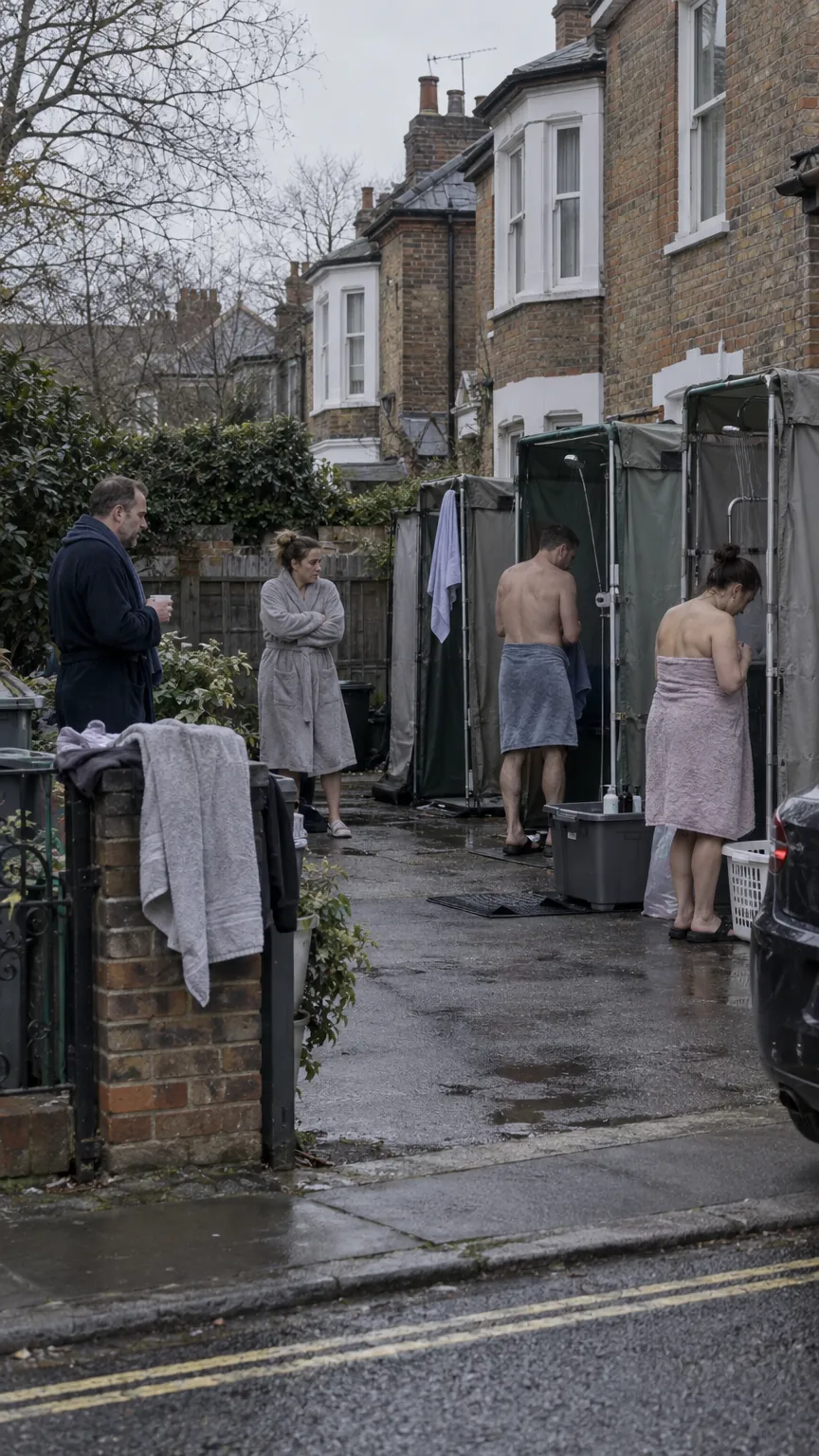
Residents at Middle Yard, a block of flats on Dudden Hill Lane in Dollis Hill, Brent, were left without heating or hot water for 17 days after the gas supply was cut over unpaid bills. At least 126 homes were affected. People relied on small electric heaters and outdoor mobile showers laid on by the freeholder and developer, Union Developments.
Building manager Rendall & Rittner said about £300,000 was owed to gas supplier Pozitive Energy and a similar sum for electricity. Residents are not thought to have caused the debt. Gas was restored on 9 November after a High Court order, with around £150,000 of the gas debt understood to have been paid as part of the case.
Leaseholders now fear the remaining £150,000 gas debt, and possibly the £300,000 electricity debt, could be passed on through service charges, even though each flat has its own meter. They say they have already received several balancing charges. Rendall & Rittner, appointed in May, said it is reviewing draft service charge accounts from before it took over and will share them once finalised. Union Developments said it is changing both the energy supplier and the managing agent. Brent Green Party leader Councillor Mary Mitchell said residents would seek compensation and called for a government review of leaseholder protections.
How our readers reacted
A small number of readers focused on wider political themes such as immigration and fascism, and some expressed disbelief about aspects of the story. Others mainly wanted to know where the incident had taken place.
Why it matters
The dispute at Middle Yard shows how leaseholders can be exposed to large shared debts built up by those running their building, even when each home has its own meter. It comes against a backdrop of around 4.83 million leasehold homes in England, nearly a fifth of the housing stock, most of them flats. The government has said it wants service charges to be clearer so leaseholders can check and challenge costs more easily, but the service charge measures in the Leasehold and Freehold Reform Act 2024 are not yet in force. Until they are, people in situations like Middle Yard must rely on existing rules and their own efforts to contest charges.
The context
- Government statistics estimate there were about 4.83 million leasehold dwellings in England in 2023-24, around 19% of the housing stock. Most of them were flats.
- A government consultation on leaseholder protections says one main aim of the reforms is to make service charges more transparent, so leaseholders can more easily check and challenge costs.
- The Leasehold Advisory Service says the service charge measures in the Leasehold and Freehold Reform Act 2024 are not yet in force.
Readers mostly talked about stop the boats and disbelief in claims.