Storm Austen: Met Office issues wind warnings for southern UK
The Met Office has named Storm Austen and issued wind warnings for southern England and south Wales. A storm is named when it is expected to justify an amber or red warning.
- The Met Office named Storm Austen on 20 October 2026.
- Yellow wind warnings cover southern England and south Wales from Thursday evening into Friday.
- An amber wind warning applies to Cornwall, the Isles of Scilly and parts of west Devon.
- A yellow rain warning covers parts of southern and eastern Scotland on Friday.
What happened
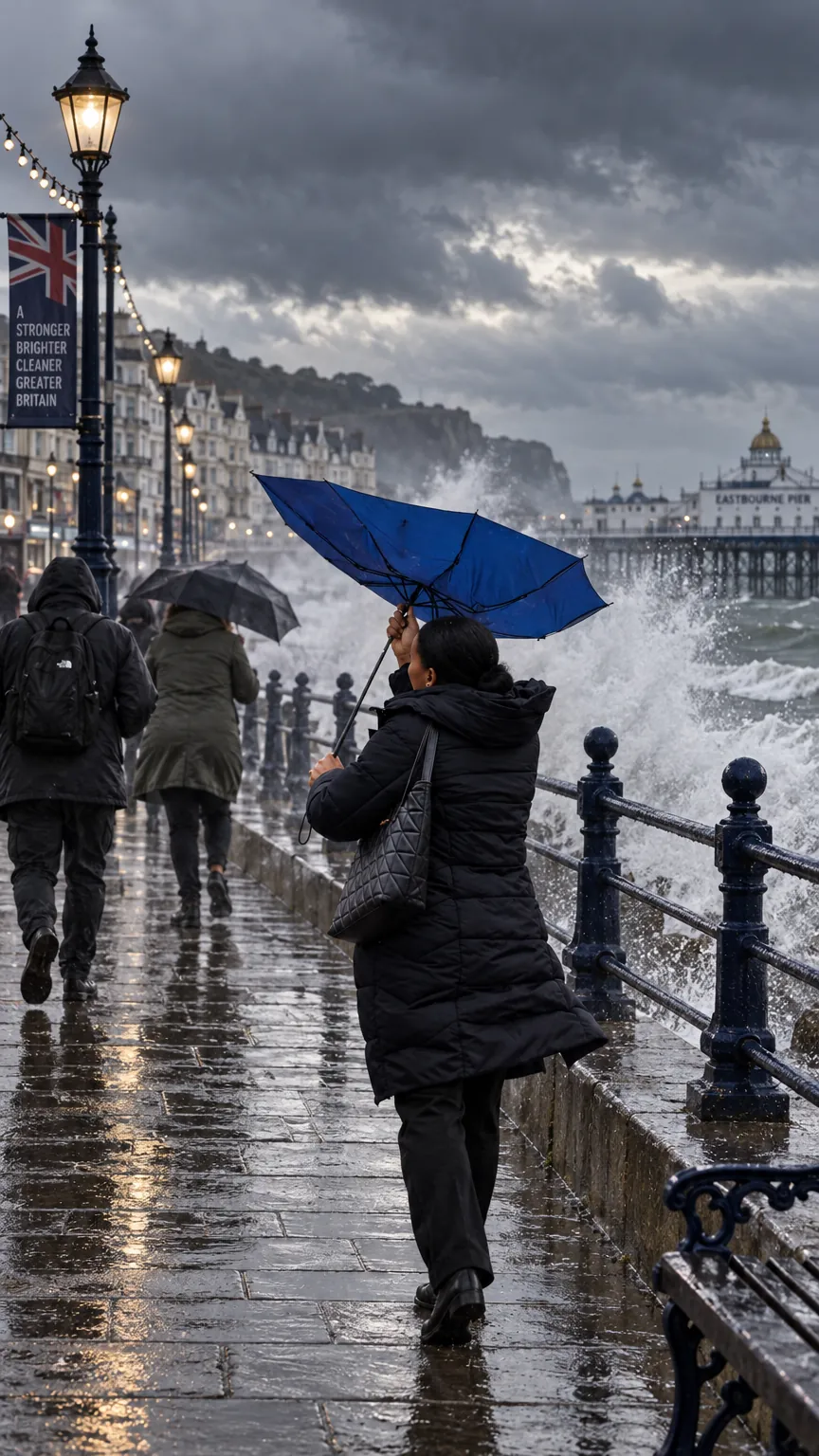
The Met Office has named the season’s first storm of the year Storm Austen, spelling it with an “e”, after a low-pressure system over the Atlantic was forecast to deepen quickly with help from the jet stream. The Evening Standard reports that its own feed referred to the storm as "Austin". The Met Office named the storm on Tuesday 20 October and said 50–60mph winds were likely across much of southern England and south Wales, with peak gusts above 70mph possible on the most exposed southern coasts.
At the same time, the Met Office issued a yellow wind warning for southern England and south Wales from Thursday evening into Friday. It said many places in the warning area could see 20–30mm of rain. On Wednesday 21 October the forecaster raised the wind warning to amber for all of Cornwall, the Isles of Scilly and parts of west Devon. A separate yellow rain warning was issued for parts of southern and eastern Scotland on Friday.
Why it matters
The Met Office says storms are named when they are expected to cause enough disruption or damage to justify an amber or red warning, and there is no fixed wind-speed threshold for this. Storm Austen is an example of this process, with the storm named on 20 October and an amber wind warning later in place for parts of south-west England. The storm’s forecast winds and rain relate to themes of storm impact, naming and timing that are not set out in detail in the original report. The Met Office runs the storm-naming scheme jointly with Met Éireann and KNMI, the Dutch weather service, and has said another low-pressure system may bring strong winds to northern parts of the UK at the weekend, with more warnings possible.
What happens next
- 23 Oct 2026: The storm moves from west to east through Friday. Winds ease in the afternoon and evening, and the storm heads into the North Sea late on Friday.
- 24 Oct 2026: The Met Office says another low-pressure system may bring strong winds to northern parts of the UK on Saturday and Sunday. More warnings are possible.
The context
- The Met Office named Storm Austen on 20 October 2026. It said a low-pressure area over the Atlantic would deepen quickly, helped by the jet stream. It also issued a yellow wind warning for southern England and south Wales.
- Deputy Chief Forecaster Tom Crabtree said peak gusts above 70mph were possible on the most exposed coasts. He said 50–60mph winds were likely more widely, and many places could see 20–30mm of rain.
- On 21 October the Met Office issued an amber wind warning for all of Cornwall, the Isles of Scilly and parts of west Devon. It also issued a yellow rain warning for parts of southern and eastern Scotland on Friday.
- A storm is named when it is expected to cause enough disruption or damage to justify an amber or red warning. There is no fixed wind-speed threshold.
- The Met Office names storms with Met Éireann and KNMI, the Dutch weather service. The scheme began in 2015, and a new list of names is published each September.
Readers mostly talked about storm impact and storm naming.
Readers are talking about this story under our posts. Add your view.