Thames Water hosepipe ban stays as company waits for more rain
Thames Water says it cannot lift its hosepipe ban for London and the Thames Valley after months of unusually low rainfall and lower-than-normal reservoir levels. The company says it needs sustained autumn and winter rain before restrictions can end.
- Thames Water’s hosepipe ban began on 23 July 2026 for about 10 million customers.
- The ban covers London, the Thames Valley and the Home Counties.
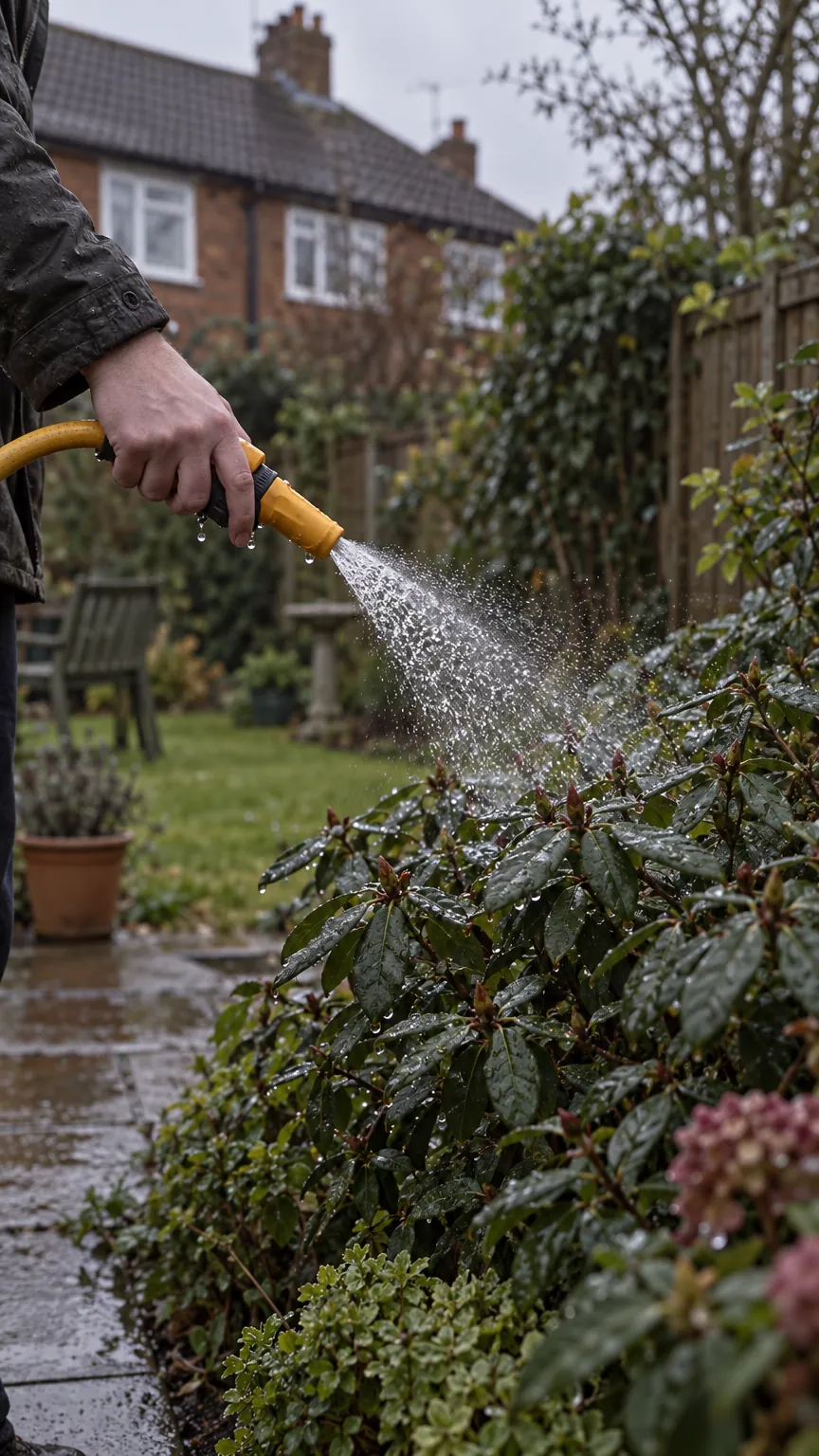
- Customers cannot use hosepipes, sprinklers or pressure washers for gardens, pools or cleaning cars.
- Thames Water says it needs sustained rainfall before it can lift the restrictions.
What happened
Thames Water has given an update on its hosepipe ban, which covers London, the Thames Valley and the Home Counties. The company says it cannot lift the Temporary Use Ban yet and needs plenty of rain through autumn and winter first. Its guidance, last updated on 12 October 2026, says sustained rainfall is still needed and that restrictions will be lifted once river levels, groundwater and reservoir storage allow.
The ban began at 12.01am on 23 July 2026 and affects around 10 million customers. While it is in force, people must not use a hosepipe, sprinkler or pressure washer to water gardens or allotments, fill pools, paddling pools or hot tubs, or clean cars and outdoor surfaces. They can still use a watering can, a bucket or rainwater from a water butt. Some exemptions apply, for example on medical grounds or for animal welfare.
The Evening Standard reported that Londoners were also asked to make eight changes at home to save water.
How our readers reacted
A small number of readers commented on the story. They mainly reacted to the post itself rather than discussing the details of the ban.
Why it matters
Thames Water is the UK’s largest water company and the ban affects about 10 million customers across London and the surrounding region. In August, London’s reservoirs held less water than usual for the time of year after rainfall in the Thames catchment since March had been well below normal. This year’s ban is much bigger than the 2025 one, which covered only parts of Oxfordshire, Gloucestershire, Wiltshire and Berkshire. That earlier ban was lifted after three months of above-average autumn rain, while Thames Water now says it still needs sustained rainfall before it can end the current restrictions.
The context
- Thames Water announced the Temporary Use Ban on 21 July 2026. It took effect at 12.01am on 23 July and covers around 10 million customers in London, the Thames Valley and the Home Counties.
- At the end of July 2026, London's reservoirs were 74% full, which Thames Water said was lower than expected for the time of year. Rainfall in the Thames catchment in July was under 1mm, about 2% of the long-term average. Since March it had been about 40% of the average.
- Thames Water said that after the ban began, household demand fell by about 3% in London and by more than 6% in the Thames Valley and Home Counties. The company said it was fixing more than 1,000 leaks a week, about 20% more than usual.
- Thames Water's guidance, last updated on 12 October 2026, says sustained rainfall is still needed. It says the restrictions will be lifted once conditions allow, judged on river levels, groundwater and reservoir storage.
- Thames Water's 2025 ban covered smaller areas: the OX, GL, SN, RG4, RG8 and RG9 postcodes. It began on 22 July 2025 and was lifted on 27 November 2025, after rainfall above the average in September, October and November.
Readers mostly talked about reaction to post.
Readers are talking about this story under our posts. Add your view.