Oxford Street traffic ban begins first phase of pedestrianisation
A near‑kilometre stretch of Oxford Street has gone traffic‑free in a test phase that will shape a £150 million redesign of one of London’s most valuable shopping streets.
- Traffic was banned from part of Oxford Street on 26 October 2026.
- The car-free section runs from Orchard Street to Great Portland Street.
- Cars, buses, taxis and bicycles are diverted onto nearby monitored roads.
- The first phase is expected to cost about £150 million, funded by borrowing.
What happened
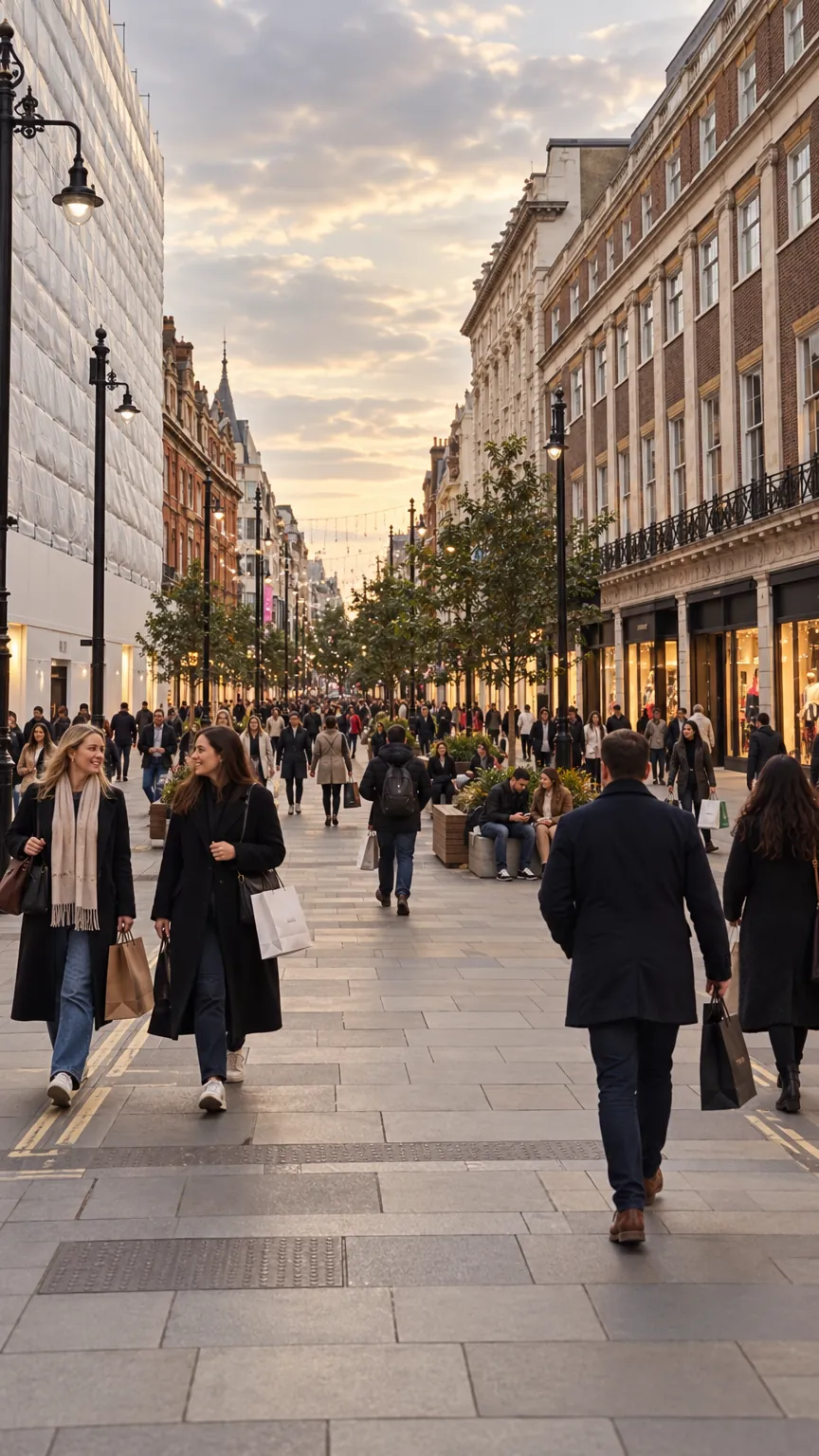
A long section of Oxford Street in central London went traffic‑free on Monday 26 October 2026. The ban covers almost a kilometre between Orchard Street, near Marble Arch, and Great Portland Street, east of Oxford Circus, taking in major department stores including Selfridges and John Lewis.
Cars, buses, taxis and bicycles are no longer allowed to use this part of the street. Bus routes and other vehicles have been diverted onto nearby roads, which are being monitored while people adjust to the new layout. The change marks the start of a test phase rather than the final design.
The Oxford Street Development Corporation, created by the Mayor of London, is running this first phase with minimal construction at the outset. It plans to add seating, rest areas, trees and clearer signs over time. Feedback from residents, businesses, workers and accessibility groups will be gathered to shape a permanent scheme.
How our readers reacted
A small number of readers responded on our social channels. Most of the discussion focused on what the changes mean for cyclists and how people on bikes will move through or around the new traffic‑free zone.
Why it matters
This phase is the result of several years of planning and consultation over the future of one of London’s best‑known shopping streets. The mayor gave final approval to pedestrianisation plans in February 2026, after a Transport for London consultation on traffic diversions that City Hall said most respondents supported. An earlier consultation in summer 2025 found 63% of Londoners backed pedestrianising Oxford Street, and a one‑day car‑free trial was held that September. The start date was pushed back from September to 26 October 2026, underlining the complexity of rerouting buses, taxis, cycles and other vehicles. The first phase alone is expected to cost about £150 million, funded through borrowing, with plans for new trees, public squares and seating on a street estimated to generate around £25 billion a year for London’s economy. That scale explains why supporters link the scheme to jobs and growth, while disability groups and others warn that losing bus and taxi access could make the area harder to reach for some people.
What happens next
- Spring 2027: A transitional scheme for the pedestrianised section is due to be in place by the end of spring 2027. Feedback gathered during the test phase will inform the permanent design.
- Late 2027: Works on the scheme are expected to continue until late 2027.
The context
- The mayor gave final approval to the pedestrianisation plans on 26 February 2026. About 2,700 people responded to a TfL consultation on traffic diversions, and City Hall said most of them agreed with the plans.
- An earlier consultation in summer 2025 found that 63% of Londoners supported pedestrianising Oxford Street. A one-day car-free event was held on the street in September 2025.
- The first phase is expected to cost about £150 million and will be paid for by borrowing. Plans include more than 50 new trees, two new public squares and more than 100 new seats and dining tables.
- The street is estimated to generate about £25 billion a year for London's economy.
- The ban was first planned for September 2026 and was moved back to 26 October. Buses, taxis, cycles and other vehicles are diverted onto nearby roads, which are monitored during the transition.
Readers mostly talked about cyclist concerns.